

Ransomware attacks have matured from a blunt instrument into a sophisticated, multi-faceted criminal industry that targets organizations of every size and sector. What began as opportunistic file-encryption attacks has evolved into coordinated campaigns that combine data theft, operational disruption, and public shaming to maximize pressure on victims. Today’s adversaries treat ransomware as a business model: they optimize for return on investment, diversify revenue streams, and adapt rapidly to law-enforcement pressure and defensive improvements.
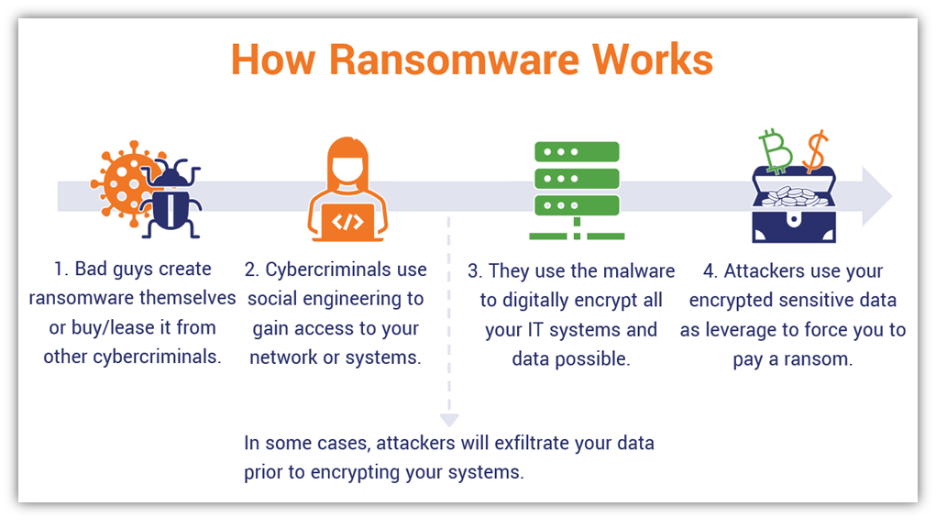
Ransomware groups no longer rely solely on encrypting disks. Double and triple extortion—encrypting systems, stealing sensitive data, and threatening public release or DDoS—are now standard tactics used to increase leverage and pressure victims to pay. This shift has made attacks more damaging to operations, reputation, and regulatory exposure. Attack volumes climbed in 2024 and into 2025, with multiple industry reports documenting year‑over‑year increases and more aggressive extortion playbooks.
High‑profile takedowns and internal fractures among major RaaS (Ransomware‑as‑a‑Service) operators changed the landscape but did not end the threat. Law‑enforcement pressure and group collapses have fragmented large syndicates, yet affiliates and smaller operators quickly reconstitute operations, adopt new tooling, or pivot to extortion‑only models. The RaaS model remains dangerous because it lowers technical barriers—affiliates can rent capabilities and infrastructure, scaling attacks rapidly.
Adversaries increasingly use automated reconnaissance, AI‑assisted social engineering, and supply‑chain compromises to gain initial access and move laterally. Attackers exploit unpatched systems and misconfigured cloud services to deploy ransomware in hours rather than days. The result: faster, more targeted campaigns that maximize disruption and extortion value.
As ransomware attacks grow faster and more targeted, organizations can no longer afford a reactive posture. Here is what you must put in place now:
Ransomware attacks today are a business-model problem as much as a technical one. Organizations that combine tested recovery plans, hardened architecture, and executive-level preparedness will be best positioned to survive and recover when the next wave hits.